

The Basics Of Creatine
In this article, we will present the Basics of Creatine. We’ll cover what it is, what it does, and how to use it. Ready to learn? Then let’s go!
The Basics Of Creatine – What Is It?
Creatine is not an herb, mineral, vitamin, hormone, or steroid. Creatine is a natural nutrient found in our bodies and the bodies of most animals. The chemical name for Creatine is methyl guanidine-acetic acid. Creatine is made up of three amino acids – Arginine, Glycine and Methionine. Our liver has the ability to combine these three amino acids and make creatine. The other way we get creatine is from our diet or through supplements. Approximately 95% of the body’s creatine supply is found in the skeletal muscles. The remaining 5% is scattered throughout the rest of the body, with the highest concentrations in the heart, brain and testes.
The Basics Of Creatine – What Does It Do?
The more research that is done on this impressive compound, the more benefits are discovered. Suffice it to say, we’ve come a ways since it first hit the market back in the early 90’s!
1. Provide Additional Energy For Your Muscles
In your body you have a compound called ATP (adenosine triphosphate). Think of ATP as an energy-containing compound. What is important to know about ATP is that the body can very quickly get energy from an ATP reaction. You have other sources of energy such as carbohydrates and fat – but they take longer to convert into a useable energy source. When you are doing an intense quick burst activity – such as lifting a weight or sprinting, your muscles must contract and need a quick source of energy. This immediate energy comes from ATP.
When your muscles use ATP for energy a chemical process happens where the ATP is broken down into two simpler chemicals ADP (adenosine di-phosphate) and inorganic phosphate. This process of ATP turning into ADP releases the energy, which gives your muscles the ability to contract. Unfortunately, we do not have an endless supply of ATP. In fact, your muscles only contain enough ATP to last about 10-15 seconds at maximum exertion. In case you were wondering – no, the ADP cannot be used to create more energy for your muscles.
Enter Creatine
Naturally speaking this is the very definition of the basics of creatine. This is where naturally occurring creatine comes in – or more specifically the creatine phosphate. Creatine phosphate is able to react with the ADP in your body and turn “useless” ADP back into the “super useful” energy source – ATP. More ATP in your body means more fuel for your muscles.
2. Cell Volume (Water-Based Pumps)
Point # 1 covers the natural function of creatine. That function can be enhanced by supplementing creatine, as is the case with the remaining points, especially # 2.
At first read, it almost looks like we just made up that word “volumization” doesn’t it? Actually, it’s just a fancy name for the process of pulling fluid into the muscle cells and thus increasing the volume of the muscles. Creatine has been shown to pull water into your muscle cells, which increases the size of your muscles. If we’re looking at the basics of creatine, this is the benefit that put it on the map. (Update: Creatine is the original cell volumizer, and this “water-based pump” effect has spawned an entire new supplement category).
3. Buffer Lactic Acid Build-Up
New research has shown that creatine can help buffer lactic acid that builds-up in the muscles during exercise. This leads to that nasty burning feel you get in your muscles. Scientifically it is a complicated process – basically the creatine bonds with a Hydrogen ion and that helps delay the buildup of lactic acid. More research needs to be done to see if this point is true.
4. Enhances Protein Synthesis
There is some data to indicate that creatine helps put the body in a more anabolic state where protein synthesis can occur. The more protein synthesis – the greater the muscle gain.
Well – there you have what creatine does in a very simplified nutshell. Of all 4 points – point #1 is the most use of creatine in the body. The other points are more debated but still look to be valid.
How Much Creatine Should I Take?
In the different studies that I reviewed regarding creatine monohydrate dosages, the most common program involves an initial loading phase of 20 grams per day for 5–7 days, followed by a maintenance phase of 3–5 grams per day. This is the fastest, most effective way to experience the full benefits of creatine. talking about the basics of Creatine, the loading phase has been there since Day One.
What Happens To Creatine Not Used By The Body?
Excess creatine is eventually converted into the waste product creatinine and excreted from the body.
The Basics Of Creatine – Summary
It can safely be said that creatine is here to stay. It’s a powerful compound that has been tested over and over again, and proven effective. If your goal is mass and you don’t have a creatine product in your arsenal, it’s time to stop by illpumpyouup.com and get some!
References:
- Bemben, M. G. (2012, September 23). Creatine Supplementation and Exercise Performance [Scholarly project]. In Springer Link. Retrieved May 21, 2016, from http://link.springer.com/article/10.2165/00007256-200535020-00002
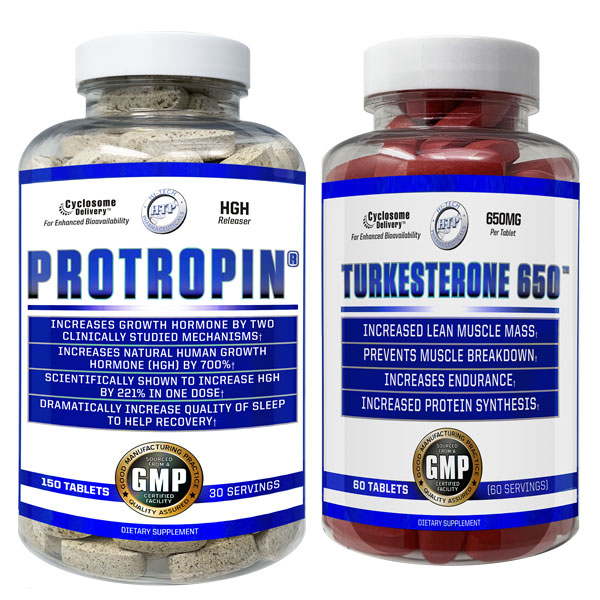 Hi-Tech Pharmaceuticals Protropin and Turkesterone Mass Stack